
"development forum"
30000 article(s) found

Development of Coffee Machine Market in China
According to the "China Coffee Machine Market Research and Development Prospect Research report (2016 Edition)" released by Lim Information Consulting, the Chinese coffee machine market is mainly concentrated in Shanghai, Beijing, Guangzhou, Shenzhen and other developed areas. These areas are characterized by high per capita income, fast pace of life, high level of internationalization, gathering of high-quality talents and so on. At present, there are foreign-funded factories in the Chinese coffee machine market

What should Chinese Coffee Development Hainan Coffee learn from Foreign Brands?
These days, a coffee chain brand from the United States is noticed by some media and complained by some netizens because of its price, but there is still an endless stream of coffee customers going to consume it. After all, with the improvement of people's spending power and the change of lifestyle, coffee consumption has become one of the trends for many people to pursue the quality of life. As an early area of growing coffee in our country
History of Coffee Development in China
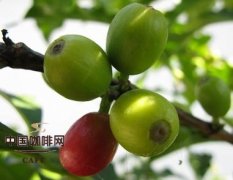
According to historical records, planting in Taiwan was successful for the first time in 1884. Since then, coffee trees have been planted in China. Coffee planting in Daliu began in Yunnan Province. In 1902, a French missionary named Tian introduced seeds from India and Gong, and planted them successfully in Binchuan County, Yunnan Province, located in Zhukula, a tributary of Jinsha River. Commercial cultivation of Yunnan coffee began in 1985, but the development was slow.

Huang Baosuo, chairman of Anxiang International Group, an exclusive interview: the coffee industry has a huge market development space.
On February 21, the Hefei Grand Theater in the administrative district was star-studded, and Liu Dacheng, the annual champion of the Avenue of Stars, and Baole, an international superstar and famous Mongolian singer, parachuted here to support the 2016 Spring Festival party of Anxiang International Group. at that time, it will bring a unique audio-visual feast to the audience. As the leading coffee chain brand in Anhui Province, Anxiang International Group has experienced 8 years.

The present situation and Development trend of China's Coffee Industry in 2019 _ the Development Prospect of Coffee Industry is really so Great
Professional coffee knowledge exchange more coffee bean information please follow Coffee Workshop (Wechat official account cafe_style) Coffee, as a traditional Western drink, has a long history and cultural heritage. The world consumes at least 400 billion cups of coffee every year, and the current annual global coffee consumption is about 10 million tons. Coffee is the first of the two largest drinks in the world, and it is also the number one except oil in the world.

The spread and Development of Coffee in China-papers on Coffee
The spread and Development of Coffee in China-for Chinese people, coffee and instant coffee have been two interchangeable terms for a long time. Until tea restaurants such as Starbucks in the United States and Hong Kong entered, people began to realize that coffee was not instant coffee, but something else. What is it? It's fashion. It's an abstraction within Starbucks.

Current situation of Dehong Hougu Coffee Co., Ltd. _ Dehong Hougu Coffee Real Finance _ how about Hougu Coffee
Professional coffee knowledge exchange more coffee bean information please follow coffee workshop (Wechat official account cafe_style) Dehong Hougu Coffee Co., Ltd. ● Dehong Hougu Coffee Co., Ltd. is Dehong Prefecture Hongtian Industrial (Group) Co., Ltd. funded by Dehong Prefecture Administration for Industry and Commerce and registered with Dehong Prefecture Administration for Industry and Commerce

Factors influencing the Development of Coffee Industry
In the 1970s, three Americans turned Starbucks coffee into a coffee shop sign to promote the American spirit, and since then, a cup of Starbucks coffee has fascinated the world.

A brief History of the Development of Panamanian Coffee A brief History of the Development of Panamanian Coffee
A brief history of the development of coffee in Panama: according to historical data, coffee was first brought to Panama by European immigrants in the 19th century. In the past, Panamanian coffee did not have a good reputation, and its output was only 1 / 10 of that of its neighbor Costa Rica, but now the coffee industry's focus on boutique coffee has made Panama more and more interested in growing coffee. Panama's geographical advantage lies in its

World Fine Coffee Organization ASEAN Coffee Alliance and World Coffee
In the trend of continuous growth and forward development of the world market center, the industrial value created by the coffee industry is not lower than that of any other industry, so when we see individuals or groups actively promoting the international development of the coffee industry in Southeast Asia, it is to make the whole world see and accept the ever-increasing rich potential of the coffee industry. Today, the coffee industry in Southeast Asia

How about Hou Gu Coffee? how about Hou Gu Instant Black Coffee? drink Hou Gu Coffee Walnut protein Powder
Professional coffee knowledge exchange more coffee bean information please follow the coffee workshop (Wechat official account cafe_style) Yunnan China has 1.8 million mu of coffee growing land, accounting for more than 95% of China's coffee output. In Dehong Prefecture, Yunnan Province, more than 300,000 people get rich by growing coffee, and the booming coffee industry has a lot to do with Hougu Coffee Company. Xiong Xiangren is the best in China.

Looking forward to the development trend of coffee in China
1. Great potential for the development of the domestic coffee market after China's entry into WTO, China's economy is developing rapidly, people's living standards are constantly improving, and coffee is being accepted by more and more Chinese. Coffee is no longer just a drink, it is gradually closely linked with fashion and taste, or make friends and talk, or business talks, or leisure, in a cup of coffee filled with music.

The potential of Chinese coffee market is unlimited-domestic coffee is developing continuously.
The substitution of coffee for tea is expected to increase coffee consumption per capita. According to statistics, from 2007 to 2015, the number of teahouses in China increased from 48842 to 50984, an increase of 4%. Compared with the tepid development of teahouses, the number of cafes in China has doubled in the past few years from 15898 in 2007 to 39783 in 2015. So it can be seen from these data that Chinese coffee
Coffee planting History of Coffee introduction and expansion in China in the early stage (5)
1. From the first peak period of the development of China's coffee industry (1952-1961) to the late 1940s, according to recorded figures, there are 2173.33 hectares of rubber plantations in Hainan Island, with a total of 867600 rubber trees, with an annual output of 199,000 tons of dry rubber, and more than 300,000 coffee plants. the annual output of coffee beans is 1 ton. According to a survey in the early 1950s, there was a large amount of coffee left in Fushan area of Chengmai County, with a total of 70,000.

Three waves in the development of coffee products
Three waves of Coffee Product Development the first Coffee Wave: in the 1930s and 1940s, the US military took coffee as a necessity and brought it to all parts of the world to prevent fatigue during combat, and the bitterness of coffee played a refreshing effect. Then the invention and rise of instant coffee. The second Coffee Wave: steam pressure extraction of espresso in Italy after World War II
Yunnan Coffee urgently needs to extend the Industrial chain
After nearly 60 years of development, Yunnan Province has become the largest coffee bean production and export base in the country. although it is still in the initial stage, the planting area has broken through the 1 million mu mark for the first time, which indicates that Yunnan coffee industry has made a solid step forward.
The History of Coffee introduction and expansion in China in the early stage (5)
1. From the first peak period of the development of China's coffee industry (1952-1961) to the late 1940s, according to recorded figures, there are 2173.33 hectares of rubber plantations in Hainan Island, with a total of 867600 rubber trees, with an annual output of 199,000 tons of dry rubber, and more than 300,000 coffee plants. the annual output of coffee beans is 1 ton. According to a survey in the early 1950s, there was a large amount of coffee left in Fushan area of Chengmai County, with a total of 70,000.

The spread and Development Culture of Coffee in China
The history of the introduction of coffee into China is not long, and it was not until 1884 that coffee was first planted in Taiwan Province. In the mainland of the motherland, the earliest coffee cultivation began in Yunnan. At the beginning of the 20th century, French missionaries brought the first batch of coffee saplings to Binchuan County, Yunnan Province, and began to grow coffee in the mainland. Chinese people have been drinking tea for thousands of years.

Operators must know: the new development trend of coffee shops in 2017 will be
First: coffee production and cultivation will be gradually concentrated. Nowadays, coffee shop franchisees are bustling, and coffee franchisees also provide a lot of convenience for those who like to drink coffee. In recent years, the total output of coffee beans in China has continued to increase, indicating that the planting technology of coffee beans has been significantly improved. With the growth of coffee shop franchisees, the state is encouraging foreign investment in coffee cultivation.

The domestic coffee market has ushered in a period of rapid development-brand competition has become increasingly fierce.
Wang Zhendong, secretary general of the Shanghai Coffee Association, believes that the continued increase in investment in the mainland by other foreign chain stores will have a huge impact on Starbucks. However, these are not enough to shake the position of Starbucks, for Starbucks, the biggest enemy is itself. Shen Meng, a mainland financial expert and executive director of Xiangsong Capital, believes that Starbucks developed rapidly in the early days of the mainland, opening a large number of stores.